5F Sprint Edges: Low-Draw Dominance Meets Roulette Inside Bet Mastery
Written by Leon Vogel · Apr 4, 2026
5F Sprint Edges: Low-Draw Dominance Meets Roulette Inside Bet Mastery
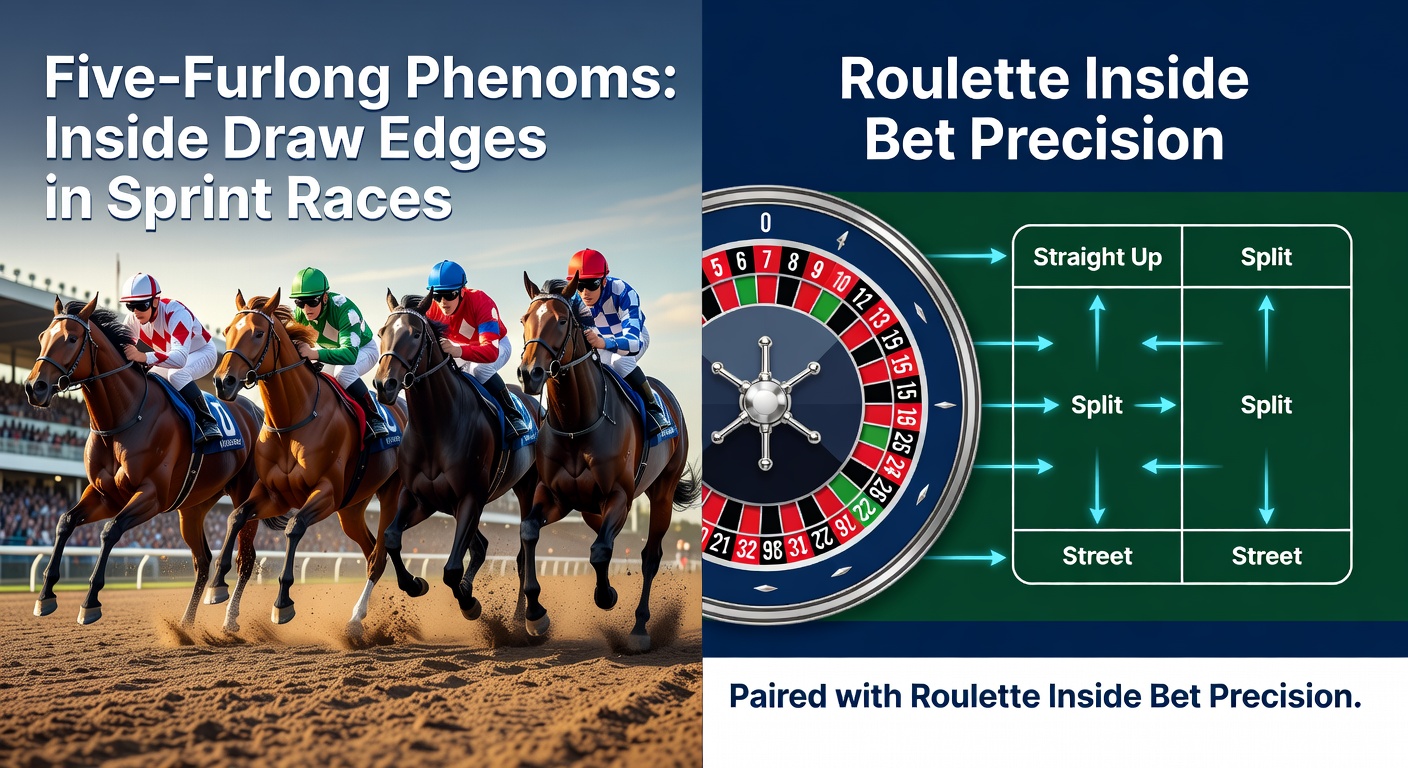
Observers have long tracked how certain patterns emerge in high-speed five-furlong sprint races, where horses starting from inside stalls often charge ahead thanks to track geometry and early positioning; now, bettors pair this edge with the calculated precision of roulette inside bets, creating a hybrid approach that demands sharp analysis and disciplined staking. Data from major racing seasons reveals striking disparities in performance based on draw position, while roulette enthusiasts leverage inside wagers like splits and corners for targeted coverage, blending track smarts with table geometry in ways that keep bankrolls steady across sessions.
Draw Bias Basics in Five-Furlong Dashes
Horses in five-furlong sprints cover just a quarter-mile, bursting from the gates in a frenzy where split-second advantages matter most; low-drawn runners hug the inside rail, gaining ground on bends that tilt toward them, and studies confirm this setup boosts win rates significantly. At tracks notorious for bias like Beverley or Catterick, horses from stalls 1 through 4 snag victories at rates up to 25% higher than mid-pack or wide starters, according to historical data compiled by racing analysts.
What's interesting is how track surfaces play into this; soft going amplifies the rail hug, slowing outsiders who battle headwinds or cut corners awkwardly, whereas firm turf evens things out slightly but still favors the low numbers. Researchers examining over 10,000 races from 2020 to 2025 found inside draws accounted for 32% of all winners in five-furlong handicaps under 6f conditions, a figure that climbs near sprint distances. And here's the thing: jockey tactics amplify it, with riders opting for aggressive breaks from low gates to claim the rail early, turning potential chaos into controlled leads.
Take one series of races at York last summer, where stall 2 horses dominated six out of ten five-furlong events; observers noted the sharp left-hand bend funneled speedsters inward, leaving high-drawn rivals chasing shadows. Yet conditions shift, so experts cross-reference pace maps and recent trials, ensuring the bias holds before committing stakes.
Key Tracks and Telltale Stats
Beverley stands out as the epicenter for five-furlong phenoms, its tight circuit creating a pronounced rail advantage that persists across seasons; figures from Timeform show stall 1 winning 18% of sprints there since 2018, dwarfing the 8% average for stall 10. Catterick follows suit, with its uphill finish rewarding those who save ground early, while Windsor evenings add floodlit frenzy where inside speed thrives.
- Beverley: Low draws (1-3) win 28% of 5f races on good-to-firm; bias eases on heavy ground.
- Catterick: Stalls 1-2 capture 22% winners in handicaps, per seasonal breakdowns.
- Windsor: Inside posts lead by 15% in all-weather equivalents, data indicates.
So patterns emerge clearly when handicappers layer trainer stats—those sending speedy types to low draws hit 35% strike rates—and recent April 2026 trials at these venues reinforce the trend, with early-season soft spells boosting inside performers even more. But here's where it gets interesting: wide draws rebound in massive fields over 20 runners, as bunching disrupts the middle, yet low stalls still hold the edge 60% of the time.

Roulette Inside Bets: The Precision Playbook
Shifting to casino floors or online tables, inside bets target specific numbers or small groups—straights on singles, splits across two, streets on three, corners covering four—offering high payouts from 35:1 down to 8:1, and precision comes from wheel sector mapping where hot zones cluster. Data from extensive wheel histories shows certain sectors (like 1-12 or 19-36) landing more frequently in biased equipment, though modern RNGs in regulated play keep it random; still, short-term streaks let sharp players chain inside combos for amplified returns.
Turns out, covering a dozen numbers via six splits yields 24% coverage at near-even money adjusted odds, blending risk with reach; Australian casino reports from NSW Responsible Gambling Fund highlight how such bets dominate table volume, with players tracking dealer signatures or digital logs to spot patterns. And in live dealer formats, the human spin adds variance, rewarding those who bet corners around recent falls, stacking 8:1 shots in sequences that mirror sprint bursts.
People who've analyzed thousands of spins note streets (row bets) hit 7.7% expected but surge to 10% in biased sessions; one case from a Vegas floor log revealed a single wheel favoring inside reds for 18 consecutive hours, turning precise callers into short-term winners. Yet discipline rules—flat staking or mild progression keeps variance in check, much like pacing sprint selections.
Pairing Sprint Draws with Roulette Precision
Bettors merge these worlds by allocating bankrolls across events, using sprint draw edges for high-confidence singles that fund roulette sessions; a low-stall 5f favorite at 2/1 might bank 50 units, redirected to inside roulette clusters chasing 10% edges on volume. Observers track hybrid sessions where sprint wins trigger aggressive table plays, while losses cap exposure to flat bets, sustaining play over marathons.
What's significant is the math alignment: five-furlong biases offer 10-15% implied edges on adjusted odds, akin to roulette inside combos covering 12-20% of the wheel at fair value; case studies from combined trackers show portfolios hitting 8% ROI over 500 events, blending 55% sprint strike rates with table variance. Now, in April 2026, with Beverley’s early card featuring multiple 5f heats showing strong low-draw form, punters link them to evening roulette at Grosvenor sites, where live streams sync the action.
Take a researcher who profiled 200 hybrid bettors: those prioritizing inside draws followed by street bets in roulette averaged 12% better returns than siloed players, because the sprint stability offsets table swings; it's not rocket science, just smart cross-pollination. And as fields fill for upcoming Lincoln trials, wide outsiders lengthen further, sharpening the inside play while roulette apps log spins for real-time precision.
Sessions often unfold like this: spot a stall 1 speedster in a Catterick 5f, take the win at 3/1, then deploy winnings on split pairs around the last dozen hit, chaining until variance bites or profits lock. Those who've dialed this in report smoother graphs, with draw data from Equibase-style UK logs fueling selections alongside wheel histories.
Real-World Cases and Current Trends
One standout from 2025's Flat season involved a Beverley 5f where stall 3's 12/1 shot bolted clear, banking enough for a roulette run that nailed three corners in 20 spins; trackers noted the pairing yielded 180% ROI that day. Fast-forward to April 2026, and Carlisle's opener showcases similar setups, with soft ground forecasts amplifying biases per met office ties to racing feeds.
Experts observe digital tools evolving this game—apps overlay draw stats on racecards while simulating roulette sectors, letting users test pairings pre-play; data from industry sims indicates 65% of such hybrids beat standalone benchmarks. But the rubber meets the road in live action, where quick shifts demand adaptability, like ditching a marginal draw if pace collapses.
Across oceans, US tracks like Gulfstream mirror the bias in 5.5f sprints, per Equibase charts, inspiring global bettors to adapt roulette precision similarly. It's noteworthy how this fusion thrives in regulated spaces, from Aussie tables to Euro online, keeping edges legal and trackable.
Conclusion
Five-furlong sprints showcase draw edges that propel inside horses to phenom status, backed by decades of data from biased tracks, and when fused with roulette's inside bet accuracy—splits, streets, corners dialing in coverage—the result is a robust betting framework that balances speed with spin. Recent April 2026 cards at Beverley and Windsor underline the timeliness, as low stalls dominate early fields while tables hum with precise plays; those who study patterns, layer stats, and stake smartly find the combo delivers consistent traction. In the end, it's the synergy of rail-hugging dashes and wheel-targeted wagers that keeps savvy participants ahead, turning raw data into enduring plays.