Aligning Event Timelines With Resource Distribution Across Racetracks and Virtual Table Platforms
Written by Leon Vogel · Jul 3, 2026

Aligning Event Timelines With Resource Distribution Across Racetracks and Virtual Table Platforms
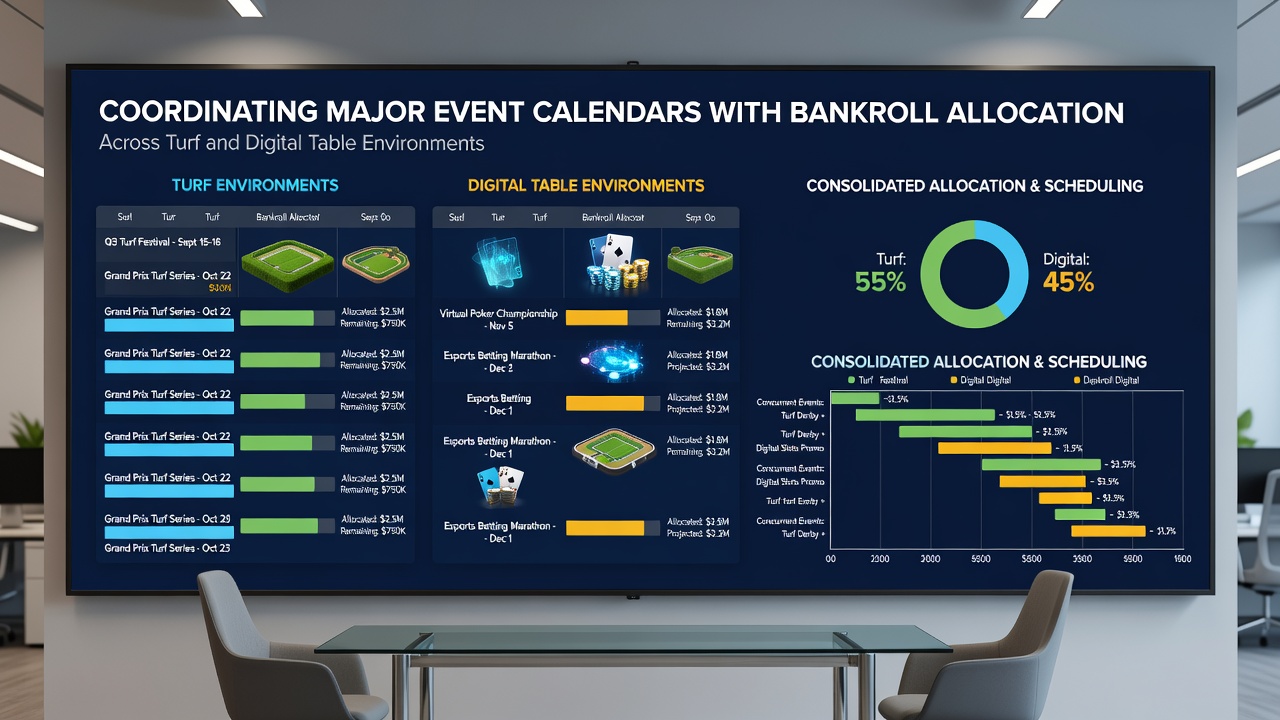
Coordinating major event calendars with bankroll allocation requires careful planning that spans physical turf environments and digital table settings, and operators along with individual participants track overlapping schedules for horse racing meets, sports fixtures, and casino promotions while distributing available funds accordingly. Data from industry reports shows that synchronized approaches help maintain consistent activity levels even when events cluster during peak periods such as summer racing seasons or holiday table game tournaments.
Mapping Event Calendars Across Multiple Venues
Event calendars include major fixtures like the Royal Ascot meeting, Breeders' Cup races, and international table game festivals hosted on online platforms, and these dates often overlap with digital promotions that run simultaneously on virtual blackjack and roulette tables. Observers note that participants who compile unified timelines covering both turf and online schedules reduce the risk of missing high-value opportunities or overcommitting resources during busy stretches. Research conducted by the Australian Gambling Research Centre indicates that structured calendar reviews completed quarterly improve allocation accuracy by highlighting periods when multiple events demand simultaneous attention.
July 2026 brings several high-profile turf events alongside expanded digital table offerings, and planners who integrate these dates early can adjust bankroll splits before the month begins. Those who study historical patterns find that combining race day schedules with online tournament calendars creates clearer windows for focused betting activity on either side of the environment divide.
Methods for Distributing Bankroll Resources
Bankroll allocation strategies typically divide total funds into segments designated for turf wagers and digital table play, and percentages often shift based on expected volatility and payout structures at each venue type. Figures released by the Nevada Gaming Control Board reveal that operators who apply percentage-based splits rather than fixed amounts maintain steadier participation rates across fluctuating event loads. Allocation models frequently incorporate contingency reserves that cover sudden calendar changes, such as postponed races or extended online promotions that extend beyond initial projections.
Participants who use software tools to model different allocation scenarios discover that dynamic adjustments tied directly to calendar updates produce more balanced outcomes than static plans. Data indicates that reserves set at fifteen to twenty percent of the overall bankroll provide sufficient buffer when events from both environments converge within the same week.
Integration Techniques Between Turf and Digital Settings
Integration begins with shared tracking systems that record commitments across both environments, and these systems flag potential overlaps so adjustments can occur before funds are committed. Studies from the University of Nevada Las Vegas Center for Gaming Research demonstrate that participants who link calendar software with bankroll dashboards achieve higher consistency in meeting target returns across mixed venue strategies. Real-time updates become essential when a turf event runs long or a digital table promotion extends its qualifying period, and automated alerts help rebalance remaining resources without manual recalculations.
Seasonal patterns show that spring and autumn racing calendars align with increased digital table traffic during evening hours, and operators who anticipate these shifts allocate slightly higher percentages to table environments during those months. Coordination also involves reviewing payout timelines, since turf winnings often settle faster than certain digital tournament prizes, and this difference influences how quickly funds can be reallocated for subsequent events.
Practical Examples From Recent Seasons
One documented case involved a regional operator who synchronized the Cheltenham Festival schedule with concurrent online roulette leaderboards, and the resulting allocation adjustments preserved overall participation levels even though both environments required attention on the same days. Another example from North American circuits showed that linking the Kentucky Derby weekend with digital blackjack qualifiers produced measurable improvements in fund utilization when contingency reserves were activated mid-weekend. These instances illustrate how calendar mapping directly supports allocation decisions without requiring separate planning processes for each venue type.
Conclusion
Effective coordination of event calendars and bankroll allocation across turf and digital table environments relies on unified timelines, percentage-based distribution models, and integrated tracking tools that respond to schedule changes. Available data from regulatory and academic sources confirms that participants and operators who adopt these practices sustain activity through clustered event periods, including those expected in July 2026. Continued refinement of these methods supports consistent resource management as calendars and platforms evolve.