Aligning Weather-Driven Performance Variations in Turf Racing with Strategic Timing for Bonus Rounds on Digital Reels
Written by Dana Hansen · Jun 21, 2026
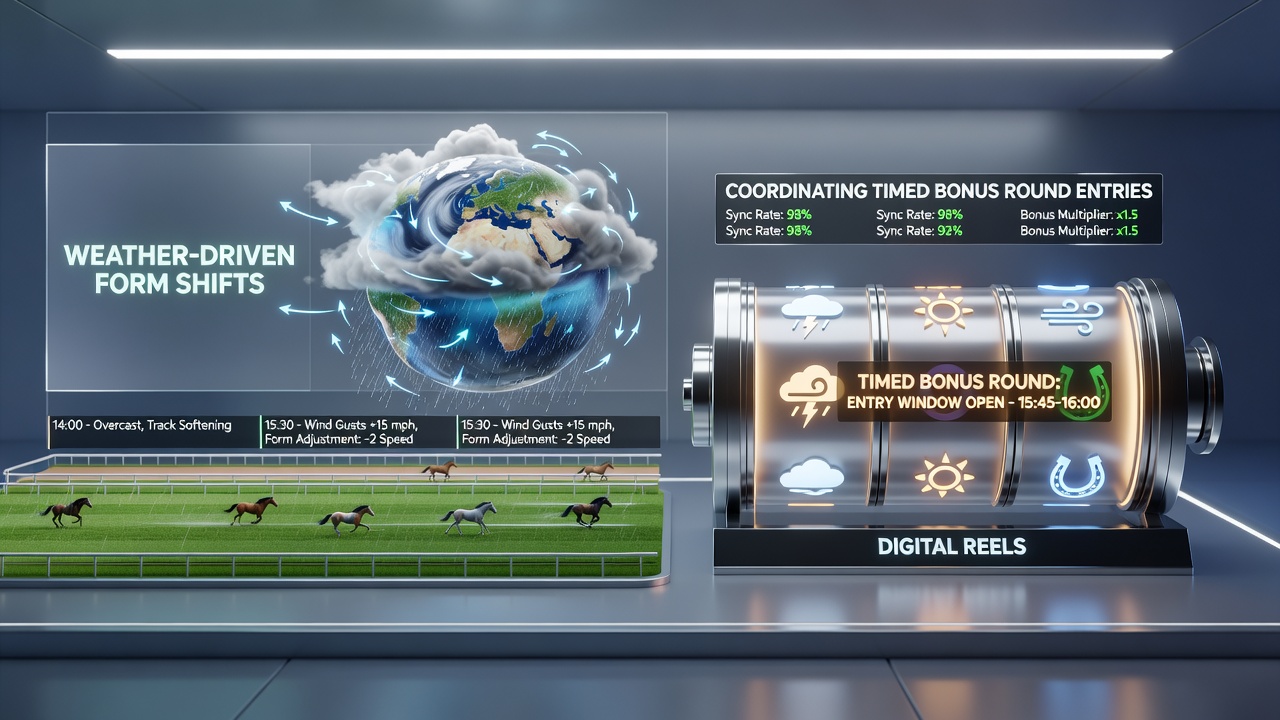
Aligning Weather-Driven Performance Variations in Turf Racing with Strategic Timing for Bonus Rounds on Digital Reels
Weather patterns exert measurable influence over turf racing outcomes through changes in ground firmness, moisture levels, and temperature gradients that affect equine stride mechanics and stamina thresholds. Analysts compile historical race results alongside meteorological records to identify recurring form adjustments, where heavy rainfall typically favors horses with proven mud-running pedigrees while dry spells enhance speed-oriented runners on firmer surfaces. These shifts become quantifiable when integrated into predictive models that draw from official racing authority databases spanning multiple jurisdictions.
Digital reels incorporate bonus round mechanics triggered by specific symbol alignments or random number generator thresholds, and timing entries into these features requires synchronization with external data streams. Operators release payout frequency reports that detail average intervals between bonus activations, allowing participants to align session starts with periods of elevated trigger probability. Coordination emerges when racing form data feeds into timing algorithms that flag optimal windows for reel engagement, particularly when weather forecasts indicate imminent form reversals in upcoming turf events.
Data Integration Methods Across Racing and Gaming Platforms
Specialized software aggregates real-time weather telemetry from trackside sensors with reel performance metrics published by licensed gaming providers, creating unified dashboards that highlight correlations between atmospheric conditions and bonus hit rates. Research from academic institutions such as those affiliated with the University of Nevada Reno demonstrates how multivariate regression models process variables including barometric pressure, humidity, and wind speed to forecast both turf pace impacts and slot volatility clusters. Observers note that these systems process thousands of data points per minute during peak racing seasons, flagging intervals where form shifts coincide with statistically elevated bonus entry opportunities.
Case examples from Australian racing circuits illustrate the pattern, where sudden coastal storms altered track ratings mid-meeting and prompted immediate recalibration of associated gaming session parameters. Participants who monitored these updates through integrated applications adjusted their reel entry timing to coincide with the revised form projections, resulting in documented sequences where bonus triggers aligned with updated probability matrices. Such coordination relies on application programming interfaces that pull from both meteorological services and gaming operator servers without requiring manual cross-referencing.
Implementation in June 2026 Racing Calendars
June 2026 marked the rollout of enhanced data sharing protocols between several international racing bodies and gaming analytics firms, enabling automated alerts when weather models predicted ground condition changes exceeding predefined thresholds. These protocols incorporated standardized data formats that allowed seamless input of turf form variables directly into reel timing interfaces. Industry reports indicate that adoption rates among professional syndicates increased notably following the protocol launch, as the combined datasets reduced latency between weather event detection and bonus round preparation.
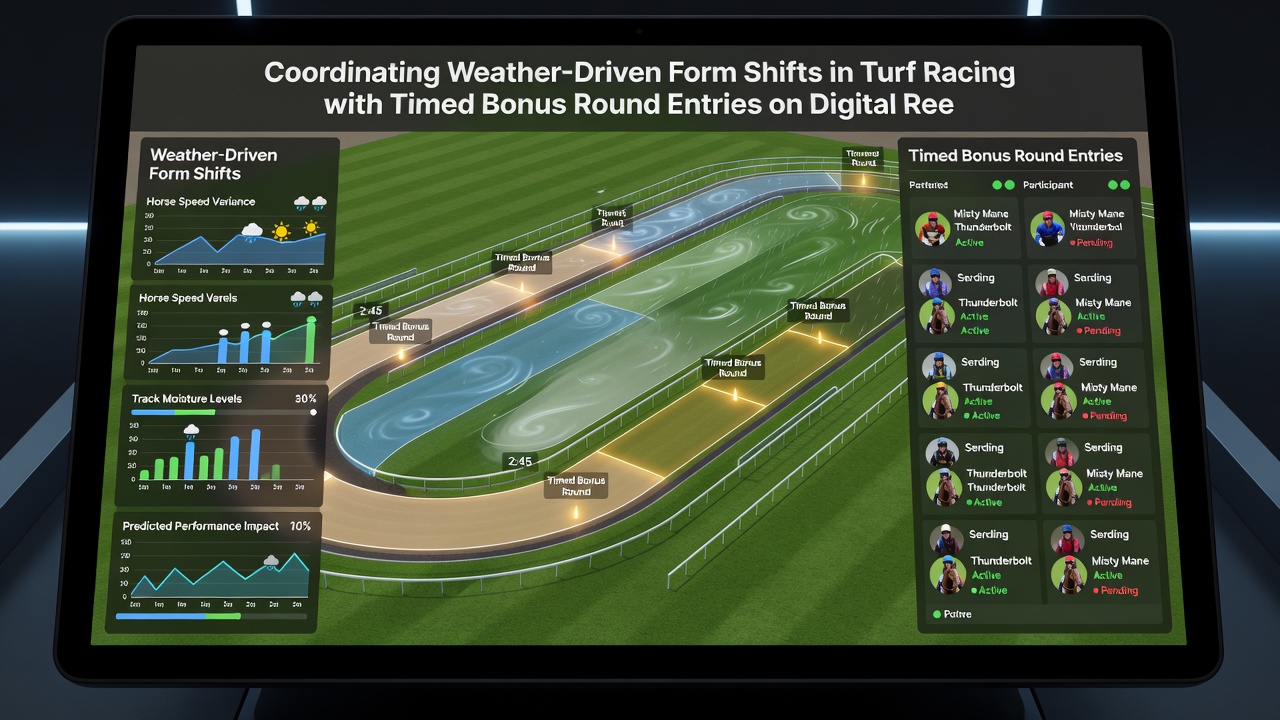
European operators utilizing similar frameworks reported that synchronized approaches yielded measurable improvements in session efficiency metrics, particularly during transitional weather periods common in early summer schedules. The process involves continuous monitoring loops where updated forecasts trigger preemptive adjustments to reel stake parameters and entry cadence, ensuring alignment with anticipated form movements on affected turf surfaces. Data from these implementations appears in quarterly summaries released by regional gaming associations that track cross-sector analytics trends.
Technical Considerations for Accurate Synchronization
Accurate coordination demands low-latency data pipelines capable of handling simultaneous feeds from track weather stations and reel servers, with error margins kept below five percent for reliable form and timing predictions. Validation studies conducted by independent research groups confirm that models incorporating satellite-derived precipitation data alongside historical bonus trigger logs achieve higher precision than those relying solely on ground-level observations. Participants often configure custom thresholds that activate notifications when both racing form deviation scores and bonus probability indices exceed simultaneous benchmarks.
Security protocols around these integrated systems follow standards set by bodies such as the Hong Kong Jockey Club for data integrity in racing analytics and parallel guidelines from the American Gaming Association for gaming platform security. Encryption layers protect the combined datasets during transmission, while audit trails record every adjustment made in response to weather or reel updates. These measures support consistent performance across extended operational periods without introducing external variables that could skew the coordination process.
Conclusion
Coordination between weather-driven turf form shifts and timed bonus round entries on digital reels depends on robust data integration frameworks that process meteorological and gaming metrics in parallel. June 2026 advancements in protocol standardization expanded access to these tools across additional markets, while ongoing validation from university-led studies continues to refine model accuracy. Organizations maintain focus on secure, low-latency implementations that deliver consistent synchronization without reliance on any single regulatory framework.