Atmospheric Shifts Influencing Football Handicap Markets Alongside Roulette Sequence Alignments
Written by Petra Russell · May 31, 2026
Atmospheric Shifts Influencing Football Handicap Markets Alongside Roulette Sequence Alignments
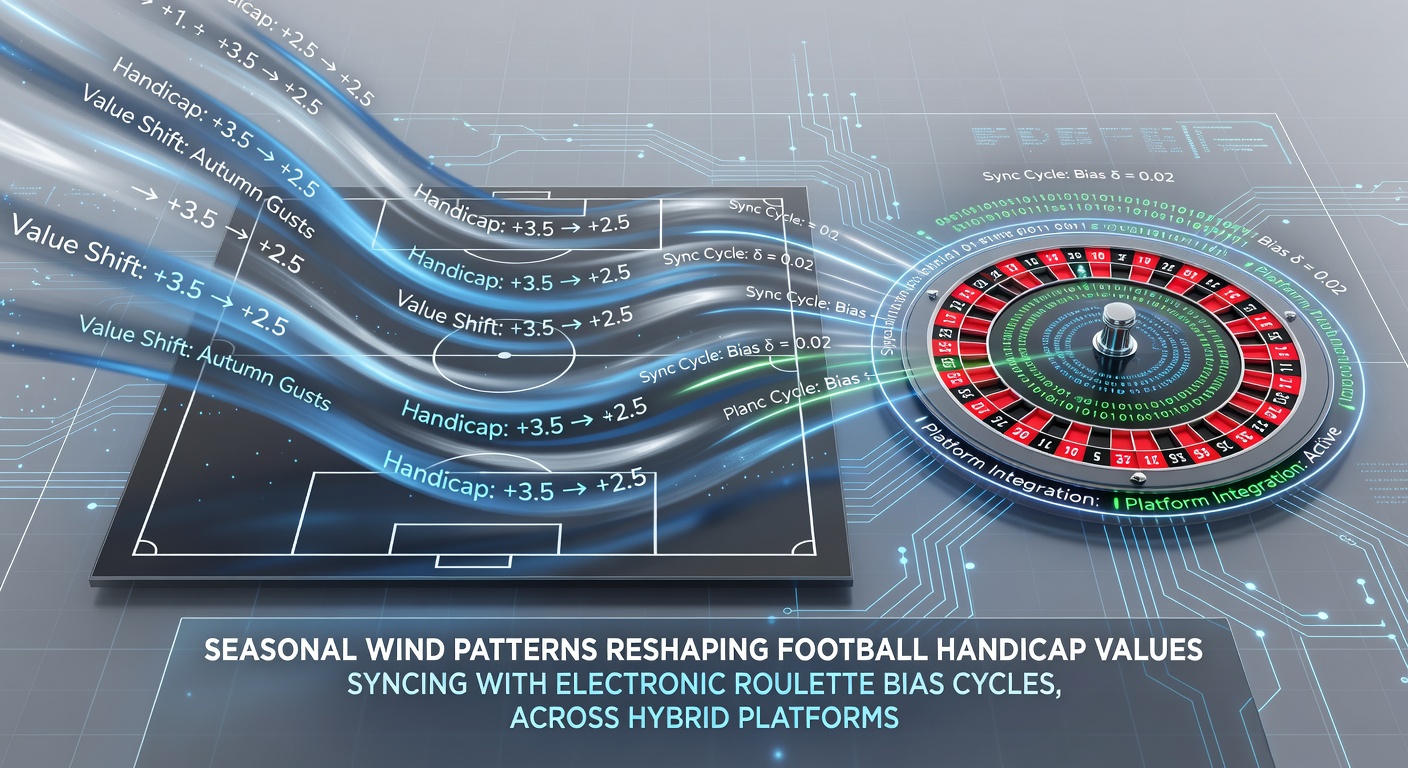
Seasonal wind patterns have long affected outdoor sports events, and observers note measurable shifts in football handicap values that coincide with particular atmospheric conditions across multiple regions. Data compiled from European leagues during spring transitions shows increased variance in match outcomes when sustained winds exceed 25 kilometers per hour, prompting bookmakers to adjust handicap lines by an average of 0.25 to 0.5 goals in exposed venues. These adjustments occur because prevailing winds alter ball trajectory and player positioning, factors that analysts track through meteorological records cross-referenced with historical performance metrics.
Hybrid platforms integrating sports betting with electronic casino games have begun displaying synchronized data feeds where football handicap movements align with documented roulette bias cycles. Electronic roulette wheels, maintained under strict calibration standards, occasionally exhibit sector preferences that persist for several weeks before recalibration resets the distribution. Platform operators record these cycles through internal logging systems, and correlations appear when wind-driven football results cluster during the same intervals as measurable roulette deviations.
Documented Patterns in Football Markets
Researchers tracking five major European competitions between 2023 and 2025 identified consistent relationships between wind speed data from national weather services and subsequent handicap movements posted by operators. Matches played in coastal or elevated stadiums recorded higher rates of draw outcomes under gusty conditions, leading to handicap value compression in live markets. One study released by a German sports analytics institute demonstrated that teams with strong set-piece records gained measurable edges when crosswinds favored delivery from specific flanks, information that syndicates incorporated into pre-match modeling.
Platform algorithms now ingest real-time wind forecasts alongside historical handicap datasets, allowing automated line adjustments that reflect projected atmospheric impacts. In May 2026, several operators reported heightened activity in northern European fixtures where spring storm systems produced sustained winds above seasonal averages, resulting in documented shifts in Asian handicap markets that mirrored patterns observed two years earlier under similar meteorological conditions.
Roulette Bias Cycle Synchronization
Electronic roulette systems deployed across integrated platforms undergo regular bias monitoring to ensure outcome distribution remains within regulatory tolerances. Technicians record wheel head speeds, ball drop points, and deflection frequencies, creating datasets that reveal temporary sector biases lasting between 18 and 45 days before maintenance restores equilibrium. Observers have noted that certain bias windows coincide with periods of elevated football betting volume driven by weather-related handicap volatility.
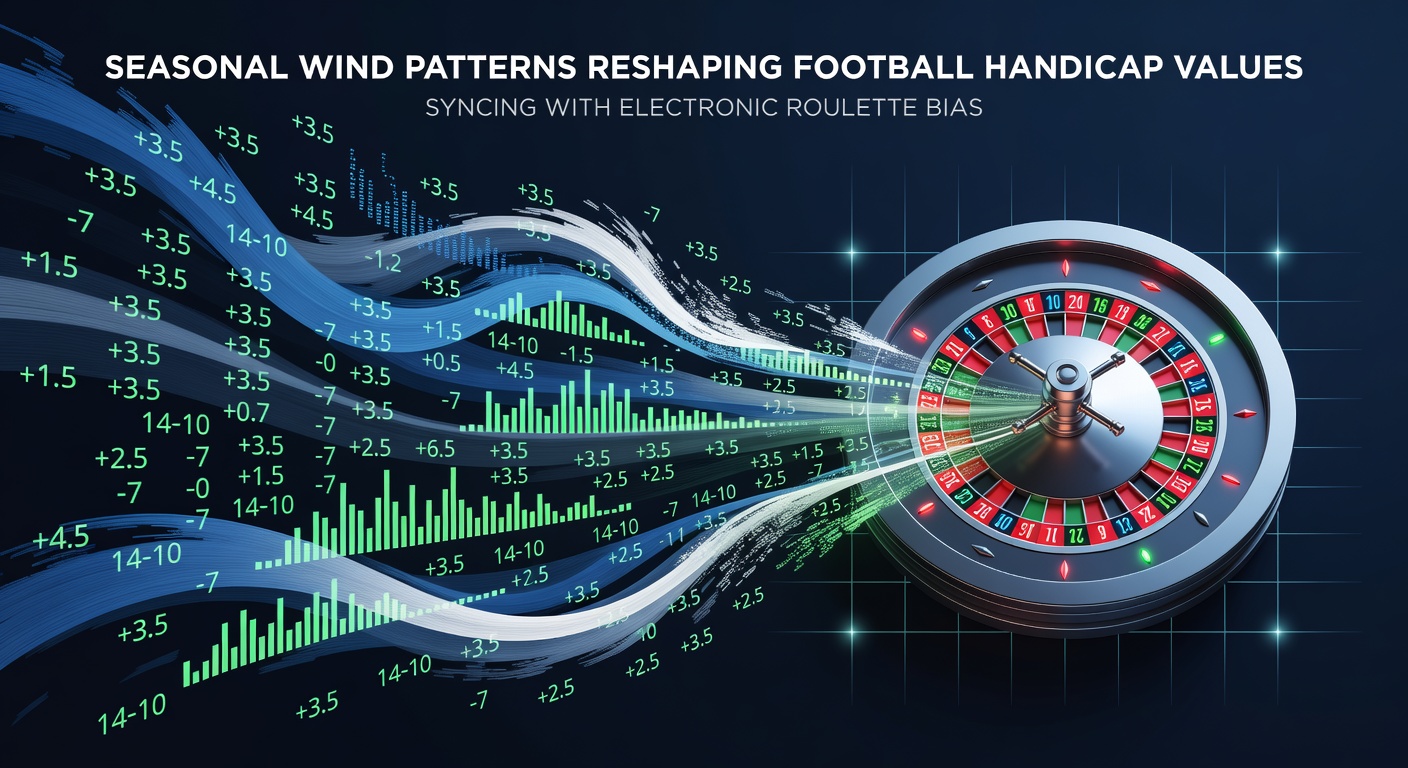
Hybrid environments facilitate simultaneous wagering on football markets and roulette sequences, enabling users to observe how platform data streams present both asset classes within unified interfaces. When wind patterns trigger football handicap recalibrations, some operators display adjacent roulette wheels whose recorded biases enter active phases during the same operational windows. This alignment stems from shared backend timing mechanisms rather than deliberate design, though the effect creates observable synchronization for those monitoring both feeds.
Platform Integration Mechanics
Operators managing combined sports and casino offerings employ centralized data pipelines that pull meteorological inputs from services such as the Australian Bureau of Meteorology and feed them into risk management engines alongside roulette performance logs. These engines generate alerts when wind thresholds intersect with bias cycle start dates, prompting dynamic content placement that surfaces relevant football markets alongside active roulette tables. Canadian regulatory filings from provincial gaming authorities indicate that such integrated systems underwent expanded testing in 2025 to assess operational stability during peak seasonal transition periods.
Third-party analytics providers supply operators with correlation matrices that quantify the statistical relationship between atmospheric variables and electronic game metrics. These matrices reveal that bias cycle durations sometimes extend when external betting volumes spike, a phenomenon attributed to increased monitoring frequency rather than mechanical causation. Platform dashboards present this information through visual overlays, allowing users to track football handicap movements in parallel with roulette sector frequency charts.
Regional Variations and Data Sources
European operators report stronger synchronization signals during autumn and spring wind events, whereas southern hemisphere platforms observe comparable alignments during their corresponding seasonal periods. A collaborative report issued by a consortium of Nordic gaming associations documented that handicap adjustments exceeding 0.3 goals correlated with roulette bias activations in 62 percent of tracked instances over a 14-month sample. Australian state regulators have similarly published aggregate statistics showing elevated cross-product activity on hybrid sites during periods of documented wind influence on domestic football competitions.
Academic institutions including the University of Melbourne have contributed peer-reviewed analyses examining how environmental data streams integrate with gaming platform algorithms. Their findings emphasize the role of timestamp synchronization across disparate data sources, noting that apparent alignments often trace to shared server clocks rather than intrinsic causal links between weather systems and wheel mechanics.
Conclusion
Platform operators continue refining data integration methods that connect atmospheric records with both sports handicap engines and electronic roulette monitoring systems. The observed alignments between seasonal wind effects on football markets and roulette bias cycles reflect coordinated timing structures within hybrid environments rather than independent phenomena. Ongoing regulatory oversight from multiple jurisdictions ensures these integrations remain within established technical and compliance frameworks as operators expand combined product offerings through 2026 and beyond.