Bridging Racetrack Gate Analytics and Slot Reel Patterns for Advanced Session Oversight in Licensed Establishments
Written by Avery Frank · Jul 12, 2026

Bridging Racetrack Gate Analytics and Slot Reel Patterns for Advanced Session Oversight in Licensed Establishments
Starting gate statistics from horse racing events provide measurable indicators such as draw positions, acceleration rates, and historical performance under specific track conditions, while reel spin sequences in slot machines generate independent random outcomes governed by certified random number generators. Licensed facilities have begun examining correlations between these two data streams to refine how player sessions are monitored and adjusted in real time.
Operators collect gate data through official racing databases maintained by track authorities, then map selected variables against the timing and frequency patterns observed in reel outcomes during live play. This approach allows systems to flag extended sessions where statistical clusters appear, prompting automated interventions that comply wth jurisdictional requirements for player protection.
Data Integration Methods in Practice
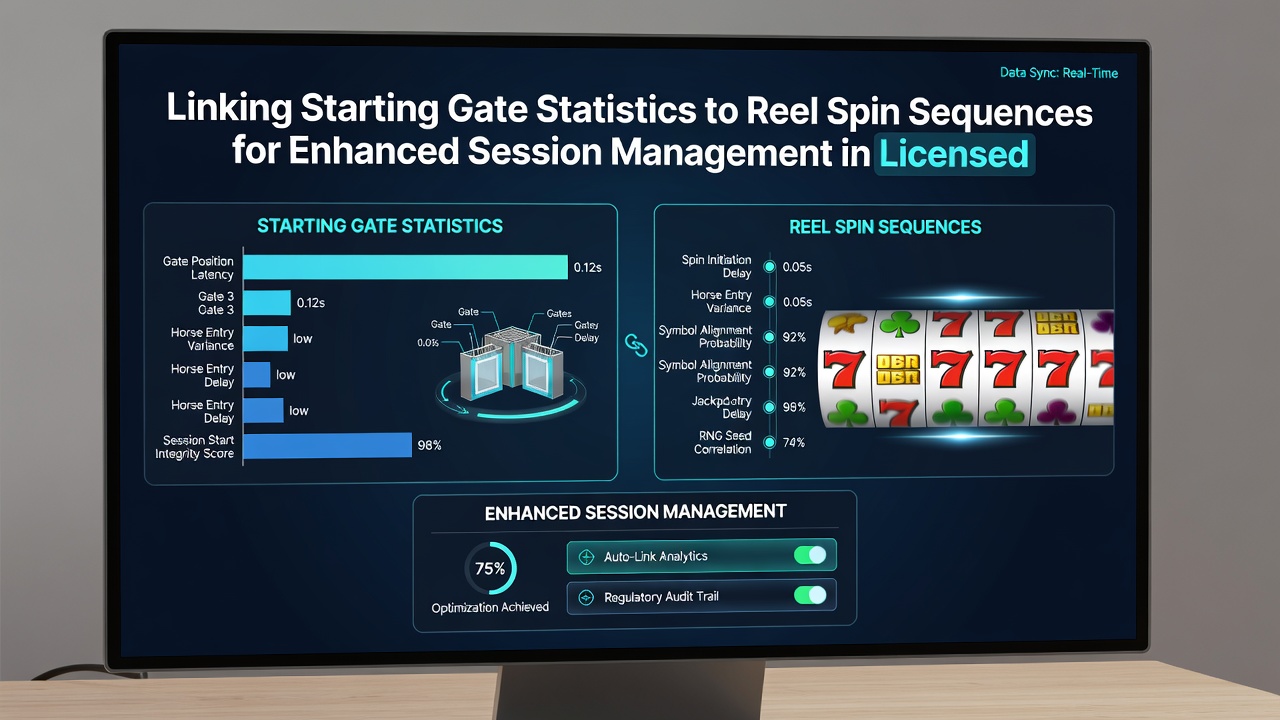
Facilities integrate gate statistics by converting track variables into normalized scores that align with slot volatility indexes already embedded in machine firmware. When a player engages both racing betting terminals and slot machines within the same visit, the combined dataset triggers thresholds for session length or wager velocity.
One implementation at a multi-purpose venue in Nevada uses application programming interfaces to pull daily gate reports from the Nevada Racing Commission and feed them into the property's central management system. Reel sequence logs update every 15 minutes, enabling supervisors to review aggregated patterns without accessing individual player identities unless regulatory triggers activate.
Regulatory Context Across Jurisdictions
Multiple oversight bodies have issued guidance on using cross-product analytics for session management. The Nevada Gaming Control Board requires that any linkage between external data sources and internal gaming devices undergo independent testing before deployment. Similar frameworks exist under the Alcohol and Gaming Commission of Ontario, which mandates quarterly audits of algorithmic decision trees that incorporate non-gaming statistics.
In July 2026, several Australian state regulators plan to introduce updated reporting standards that explicitly address hybrid data environments involving racing and electronic gaming. These standards require operators to document how gate-derived metrics influence reel monitoring protocols while preserving the certified randomness of each spin.
Technical Implementation Examples
Case studies from integrated resorts show that gate position data from the previous 30 race meetings can be layered onto reel cycle logs to predict periods of elevated machine activity. When a front-running bias appears in recent gate statistics, systems may adjust on-screen messaging frequency for players who have exceeded preset time limits.
Researchers at the University of Nevada, Las Vegas International Gaming Institute have published findings on how external event data can enhance existing responsible gaming tools without altering core game mathematics. Their reports indicate that facilities using such linkages report improved compliance rates during routine inspections by state inspectors.
Operational Outcomes Observed
Venues that adopted these methods recorded measurable shifts in session duration distributions, particularly during race-meet days when gate statistics update hourly. Staff training programs now include modules on interpreting combined dashboards, allowing floor personnel to respond to system alerts with standardized procedures approved by compliance departments.
Industry associations such as the American Gaming Association have hosted workshops where operators share anonymized datasets demonstrating the accuracy of gate-to-reel mapping techniques across different machine denominations and racing surfaces.
Conclusion
The practice of connecting starting gate statistics with reel spin sequences continues to evolve within licensed facilities as regulatory expectations and technical capabilities advance. Jurisdictions in North America and Australia maintain distinct approval pathways that emphasize testing, documentation, and periodic review, ensuring that any analytical linkages remain subordinate to certified game integrity standards.