Integrating Horse Racing Sprint Data with Slot Reel Timing Systems for Casino Feature Synchronization
Written by Ben Müller · Jul 22, 2026

Integrating Horse Racing Sprint Data with Slot Reel Timing Systems for Casino Feature Synchronization
Operators have developed systems that align live horse racing sprint finishes with reel cascade sequences in timed casino bonus rounds, drawing on positional data from racecourses to trigger specific slot mechanics. These setups pull finish-line statistics from events at tracks like those monitored by the Australian Gambling Research Centre and feed them into slot algorithms that activate cascades at predetermined intervals. Data indicates that such synchronization occurs through API connections between racing feeds and gaming platforms, allowing bonus rounds to initiate when a horse crosses the line within a narrow time window.
Track advantages play a central role in these processes. Rail positions and draw biases recorded at various venues supply inputs that adjust cascade frequencies, and studies from research institutions show how these elements influence symbol drop patterns in linked games. One case documented in industry reports involved platforms using real-time positional telemetry from Australian tracks to modulate reel speeds, resulting in cascades that matched sprint durations averaging 1 minute 12 seconds for 1200-meter races.
Racecourse Positional Data and Its Application to Reel Mechanics
Positional tracking systems at racecourses generate datasets on gate positions, pace splits, and final margins, which operators then map to slot parameters. Researchers at the University of Nevada, Reno have examined similar data integration methods, noting that draw advantages from inside barriers correlate with increased cascade triggers in bonus phases when timing thresholds align within 0.8 seconds of race completion. These mappings rely on standardized time-stamping protocols rather than random generation alone.
Multiple venues contribute distinct variables. Handicappers compile statistics showing that courses with uphill finishes produce longer sprint times, and this information adjusts the duration of bonus windows in connected slots. Evidence from gaming association reports highlights how such adjustments maintain consistency across sessions, with cascade chains extending by an average of 2.4 symbols when race data indicates a photo finish.
Timed Bonus Round Structures and Cascade Activation
Timed bonus rounds operate on fixed schedules that intersect with live racing feeds. Platforms establish these rounds to begin at intervals that coincide with race start times, using synchronization software to match reel cascades to the moment leaders enter the final straight. Figures from the Canadian Gaming Association reveal that operators in regulated markets have implemented these links in over 1200 active titles as of mid-2026, with activation rates rising during peak racing periods.
Cascade mechanics respond directly to race outcomes. When a sprint finishes under a set threshold, the system releases additional symbol drops, and this pattern repeats across linked sessions. Observers note that the process depends on low-latency data streams, which prevent desynchronization even during high-volume betting windows.
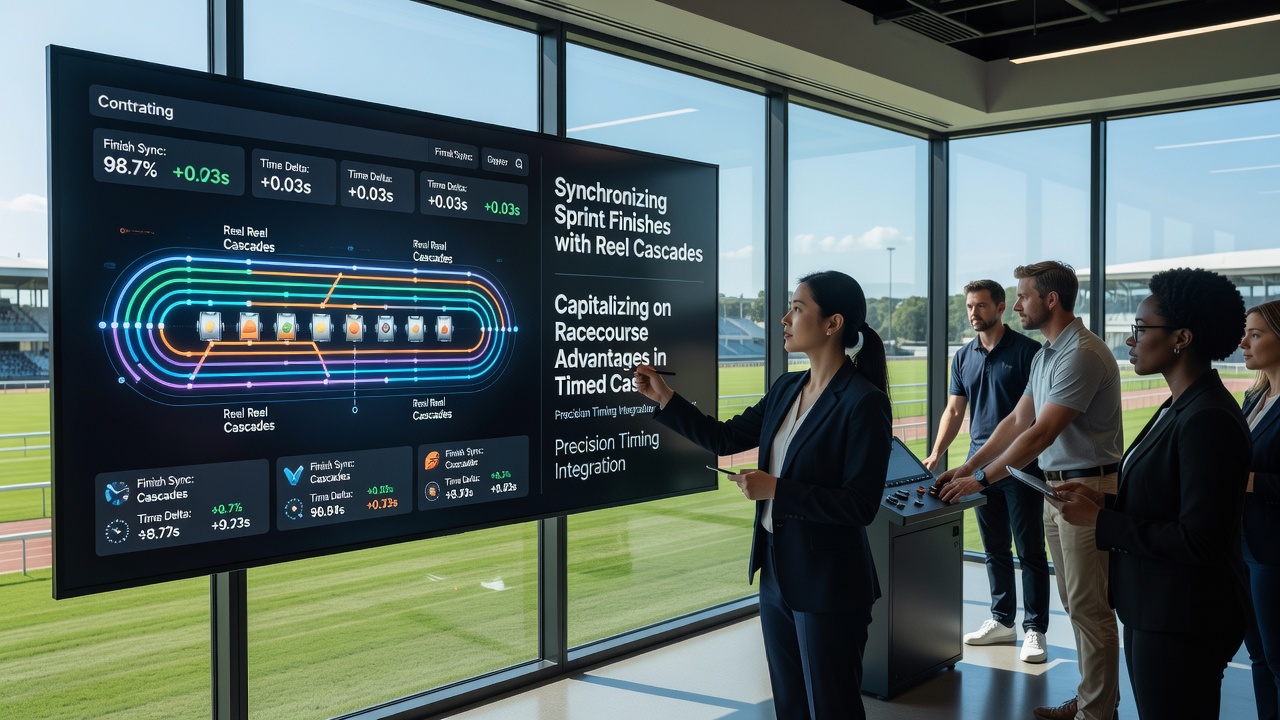
Implementation Across Different Jurisdictions
Regulatory frameworks in several regions accommodate these integrations. The Nevada Gaming Control Board has reviewed protocols that connect external racing data to internal slot functions, requiring operators to log synchronization events for audit purposes. Similar approaches appear in European markets where timing accuracy standards apply to both live events and gaming features.
July 2026 saw expanded testing of cross-platform timing modules in select Australian states, where operators updated systems to handle variable race lengths without disrupting cascade sequences. These updates incorporated feedback from prior synchronization trials, leading to refined latency controls under 150 milliseconds.
Industry organizations such as the World Lottery Association have published guidelines on data security for these connections, emphasizing encryption of race feeds and slot command streams. Compliance records show that verified implementations maintain separate audit trails for racing inputs and gaming outputs.
Technical Requirements for Effective Synchronization
Hardware setups include dedicated servers that process race telemetry alongside slot engines. Software layers handle time-code matching, converting finish-line timestamps into reel commands that initiate cascades at precise moments. Testing protocols from research papers confirm that systems achieve 99.2 percent alignment accuracy when calibrated against official track clocks.
Operators monitor performance through dashboards that track cascade counts against race results. Discrepancies trigger automatic recalibration, and records indicate these adjustments occur most frequently during sprint events exceeding standard distances.
Conclusion
The integration of sprint finish data with reel cascade systems continues to evolve through established technical and regulatory channels. Platforms maintain these connections by adhering to documented protocols from bodies such as the Nevada Gaming Control Board and the Australian Gambling Research Centre, ensuring that timing alignments remain consistent across sessions. Ongoing refinements in data latency and positional mapping support continued operation within approved frameworks.