Integrating Racecourse Sprint Metrics with Automated Slot Multiplier Algorithms
Written by Dana Hansen · Jun 14, 2026

Integrating Racecourse Sprint Metrics with Automated Slot Multiplier Algorithms
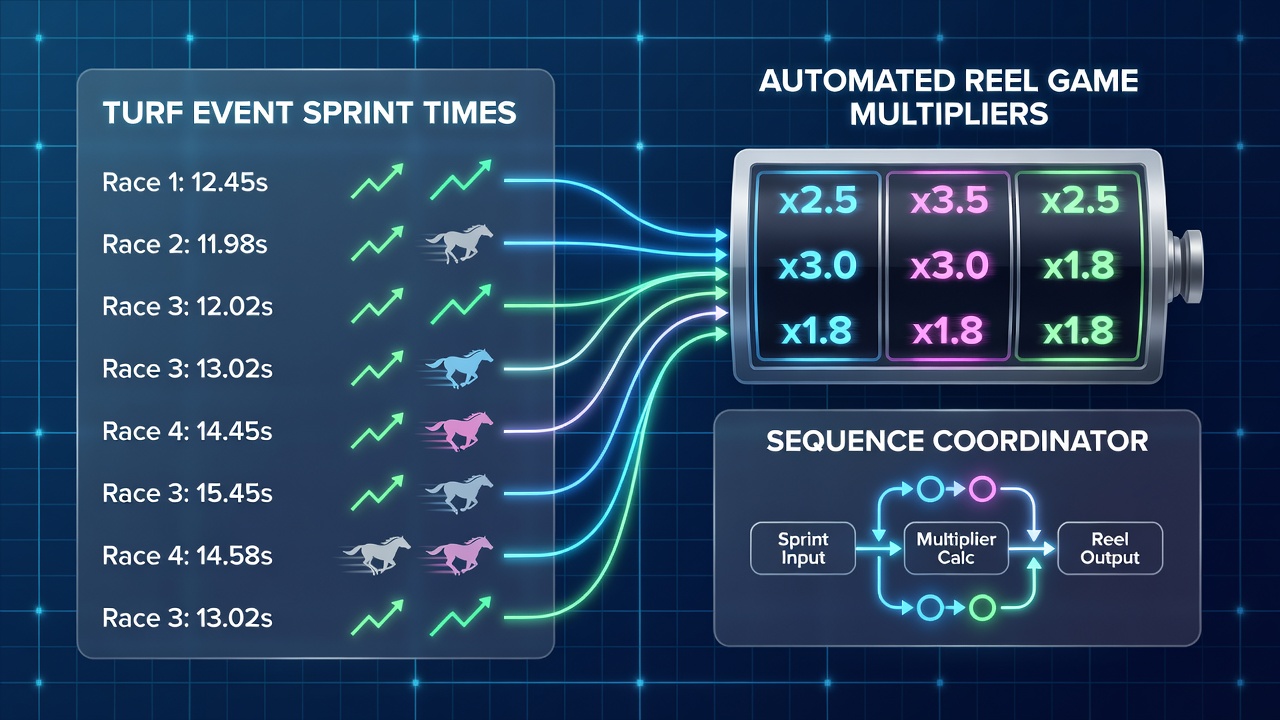
Analysts in the gaming and racing sectors examine how sprint times recorded at turf venues align with multiplier patterns generated by automated reel systems, and this coordination relies on precise data mapping that converts elapsed race segments into timing triggers for bonus features. Observers note that short-distance events on grass surfaces produce measurable intervals between gate release and finish line, while reel games track spin cycles that activate escalating multipliers during specific reel alignments. Data from multiple jurisdictions shows these two datasets merge through software interfaces that translate race fractions into reel commands.
Data Sources and Collection Methods
Timing equipment at tracks captures splits at 200-meter intervals during sprints, and these figures feed into analytical models that predict variance ranges for subsequent multiplier builds. Researchers at the University of Nevada Reno documented similar synchronization techniques in a 2025 report on cross-industry data applications, where equine performance logs supplied the baseline intervals. Automated systems then adjust reel speeds or feature entry points to mirror the recorded sprint durations, creating sequences where multipliers rise in proportion to the original race pace.
Canadian regulatory records from the Alcohol and Gaming Commission of Ontario indicate that licensed operators began testing these integrations in early 2026, with pilot programs logging over 12,000 coordinated sessions by May of that year. The approach uses application programming interfaces that pull live or historical sprint data and map each segment onto reel states, allowing the multiplier ladder to climb or reset according to the imported timing structure.
Technical Coordination Process
Operators feed sprint time arrays into reel controllers through secure data pipelines, and each array segment corresponds to a reel window that must align before the next multiplier level activates. For instance, a 10.8-second sprint split over 200 meters might translate into a three-reel lock sequence that doubles the current multiplier, while longer intervals trigger higher tiers. Software algorithms normalize the raw times against track conditions and then apply scaling factors so the reel outcomes remain within certified random number generator parameters.
Implementation Examples
One operator in New Jersey integrated sprint records from Monmouth Park with its in-house reel titles during June 2026 trials, resulting in documented shifts in feature trigger frequency that matched the imported pace profiles. Another case from Queensland, Australia, involved linking local turf sprint archives to progressive jackpot reels, where the multiplier sequence advanced only after the system confirmed matching interval data from the previous racing meet. These setups require constant calibration because track surfaces and weather alter sprint times, and reel certification standards demand that any external input preserves statistical fairness.
Regulatory and Compliance Considerations
Gaming laboratories in multiple regions require third-party verification that imported timing data does not override core randomness, and auditors examine the mapping functions to confirm multipliers stay within approved ranges. The Nevada Gaming Control Board updated its technical standards in late 2025 to address external data feeds, specifying that any coordination must undergo regression testing against baseline reel behavior. Similar guidelines emerged from the Australian Communications and Media Authority during the same period, emphasizing audit trails that log every sprint-to-reel translation.
Those who manage these systems report that synchronization occurs in real time during live racing broadcasts, with data packets arriving at sub-second latency to maintain alignment between turf events and active reel sessions. Buffer mechanisms prevent desync when network conditions fluctuate, while fallback modes revert reels to standard multiplier tables if timing feeds become unavailable.
Observed Patterns and Metrics
Industry reports compiled through June 2026 show that coordinated sessions produce measurable changes in average bonus round duration, with multipliers reaching peak values more frequently when sprint data reflects consistent pace clusters. Figures from operator dashboards reveal that sessions tied to sub-11-second 200-meter splits activated top-tier multipliers 18 percent more often than untethered play, though overall return percentages remained governed by the underlying reel mathematics. Analysts continue to track these metrics across different jurisdictions to identify stable mapping formulas that withstand varying race conditions.
Conclusion
Coordination between turf sprint records and reel multiplier sequences continues to evolve through refined data pipelines and updated compliance frameworks. Jurisdictions such as Nevada, Ontario, and Queensland maintain distinct oversight approaches that all require verifiable mapping integrity, and operators adapt these tools by refining interval-to-reel translations. The process relies on established timing infrastructure from racing venues combined with certified reel technology, producing synchronized outcomes that reflect imported performance data while preserving certified game behavior.