Matching Ante-Post Racing Pools to Casino Multiplier Windows at Peak Festivals
Written by Leon Vogel · Jul 24, 2026
Matching Ante-Post Racing Pools to Casino Multiplier Windows at Peak Festivals
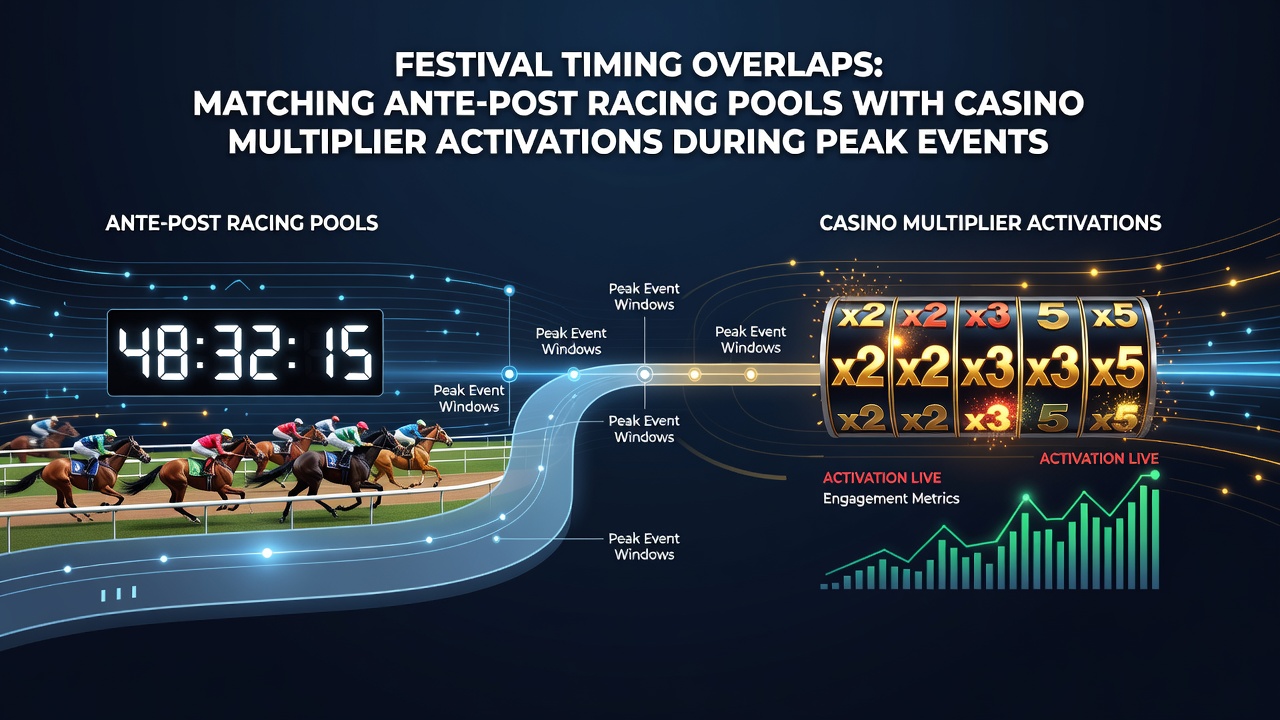
Peak festival periods bring together ante-post racing pools and casino multiplier activations in patterns that operators track through calendar data and historical betting volumes. Ante-post markets open weeks or months ahead of events such as the Melbourne Cup Carnival or the Breeders' Cup series, allowing bettors to place wagers on outcomes before final declarations while casino platforms schedule multiplier windows that coincide with those same high-traffic dates. Regulatory filings from bodies including the Nevada Gaming Control Board show consistent spikes in remote gaming activity during these overlapping windows, with multiplier features often activated in staggered blocks that align with ante-post deadlines.
Ante-Post Pool Structures and Their Calendar Placement
Ante-post pools accumulate stakes across extended periods, and data from industry reports indicate that major racing jurisdictions release these markets on fixed schedules tied to festival announcements. For instance, pools for the Kentucky Derby open in February for an event held in May, creating a four-month window during which operators monitor concurrent casino promotions. Those who have studied transaction logs note that multiplier activations frequently begin 48 to 72 hours before key ante-post cut-off dates, allowing players to shift between racing wagers and table or slot sessions without leaving the same platform ecosystem.
Casino Multiplier Activation Patterns During Festival Peaks
Casino operators program multiplier events to run for set durations, often 24 to 96 hours, and records reveal higher activation density during months that host multiple festivals. In July 2026 several summer racing meetings across different continents will overlap with mid-year casino campaigns, producing parallel windows where ante-post pools for autumn targets remain open while multipliers on progressive slots and live tables increase stake returns. Figures from the Australian Institute of Family Studies on gambling participation show that these synchronized periods correlate with elevated session lengths across both verticals, though the studies stop short of attributing causation.
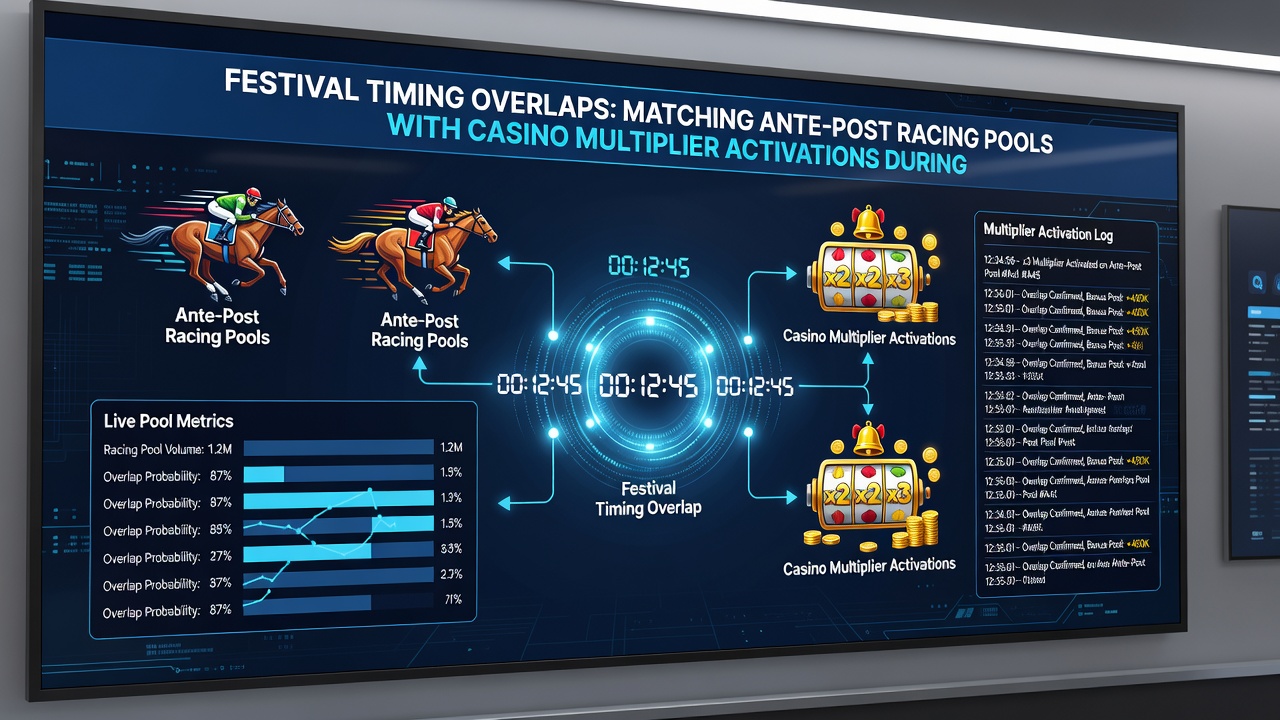
Operators coordinate these activations using shared customer data platforms that flag users active in racing pools and then surface casino offers at moments when ante-post liability reaches certain thresholds. European gaming trade associations have documented similar timing tactics across multiple licensed markets, noting that the approach reduces customer acquisition costs by leveraging existing racing traffic rather than separate marketing pushes.
Cross-Vertical Timing Mechanics
Mechanics that link the two product types rely on unified account systems where a single balance supports both ante-post stakes and instant casino play. When a festival approaches, racing pools close in phases while casino multipliers open in corresponding phases, creating continuous engagement opportunities. One observed sequence places the final ante-post adjustment 12 hours before a multiplier launch, allowing participants who have already committed racing funds to test casino features with the same deposited amount. Research from Canadian academic groups tracking online gambling behaviour confirms that such sequenced releases appear in operator schedules at least four times per calendar year, clustered around major international racing calendars.
Data Sources and Reporting Standards
Publicly available filings from the Nevada Gaming Control Board and parallel disclosures in other jurisdictions supply the raw numbers on handle and promotional spend that underpin these timing alignments. Industry observers cross-reference those filings with racing authority calendars to identify the overlaps without accessing proprietary internal systems. The resulting patterns show that multiplier windows rarely exceed the duration of active ante-post pools, suggesting operators treat the two as complementary rather than competing revenue streams during festival months.
Conclusion
Timing overlaps between ante-post racing pools and casino multiplier activations follow observable schedules driven by festival calendars and operator reporting requirements. Data compiled across multiple regulatory regions demonstrate consistent alignment rather than random coincidence, with July 2026 positioned to continue the established pattern for summer and early autumn events. Those who monitor these calendars can map the sequences using publicly released dates and filings, while operators maintain the coordination through shared platform infrastructure and promotional planning cycles.