Merkur Slots' 24/7 Expansion Bid Fails in Spalding: Planning Inspectorate Prioritizes Resident Peace Over Extended Hours
Written by Avery Frank · Mar 22, 2026

Merkur Slots' 24/7 Expansion Bid Fails in Spalding: Planning Inspectorate Prioritizes Resident Peace Over Extended Hours
The Appeal and Its Swift Rejection
In a decision handed down on March 12, 2026, the Planning Inspectorate dismissed Merkur Slots' appeal to transform its adult gaming centre in Hall Place, Spalding, Lincolnshire, into a round-the-clock operation, ruling that such an extension would significantly undermine neighbouring residents' living conditions through heightened noise and disturbance, even as operators highlighted potential economic upsides that inspectors deemed too limited to outweigh the harms.
Operators at Merkur Slots, a venue specializing in slot machines and electronic gaming for adults, had sought permission from South Holland District Council to extend opening hours from the current setup—typically spanning late afternoons through early mornings—into full 24-hour service, arguing the change would boost local employment and footfall in the town centre; yet council planners rejected the initial bid last year, prompting the appeal to the independent inspectorate.
What's interesting here is how the inspectorate's report laid out the conflicts crystal clear: late-night comings and goings from patrons, amplified machine sounds spilling outdoors, and general comings-and-goings that peak after midnight all posed unacceptable risks to sleep patterns for those living mere metres away, since residential properties line the very streets flanking Hall Place.
Inspectors Weigh Noise Against Economic Gains
Experts examining the case pored over acoustic assessments, witness statements from affected households, and projections from the gaming firm itself, ultimately concluding that noise mitigation measures—like enhanced soundproofing or staff-monitored quiet hours—fell short of neutralizing the disruptions; data from nearby monitoring points showed baseline noise levels already hovering near sensitive thresholds at night, and 24/7 access would push those figures into harmful territory for sustained periods.
Take the economic side: Merkur Slots projected a handful of additional part-time jobs and modest increases in supplier spending, perhaps drawing in shift workers from surrounding factories or travellers along the A16; but here's the thing, inspectors calculated those benefits as marginal when stacked against Spalding's existing retail and hospitality landscape, where similar venues operate without needing nonstop hours to thrive.
And while proponents noted the venue's compliance record—no major incidents reported in recent audits—the inspectorate emphasized that planning law demands balance, prioritizing "amenity protection" for residents over business expansion unless overriding public interests emerge; in this instance, no such interests surfaced strongly enough.
Voices from the Neighbourhood and Beyond
Residents near Hall Place voiced frustrations during consultations, recounting disturbances from revellers spilling out post-2am, car doors slamming in the quiet hours, and the persistent hum of ventilation systems kicking in for high-traffic nights; one household submitted logs of repeated awakenings, corroborated by council environmental health officers who flagged exceedances of local noise ordinances on sample evenings.
Campaigners against unchecked gaming expansion celebrated the ruling too. Charles and Liz Ritchie, whose involvement stems from profound personal loss through their son, hailed the outcome as a "small victory" in curbing big casino firms' push for endless operations; the couple, active with Gambling with Lives, a charity supporting families impacted by addiction fatalities, stressed how extended hours could exacerbate vulnerabilities for those prone to late-night impulses, although the inspectorate focused squarely on planning merits rather than health risks.
Figures from the charity reveal over 400 gambling-related suicides in the UK annually, with slots like those at Merkur cited in many cases; yet observers note this decision hinged on tangible disturbances, not abstract harms, setting a precedent for how local authorities handle hybrid commercial-residential zones.
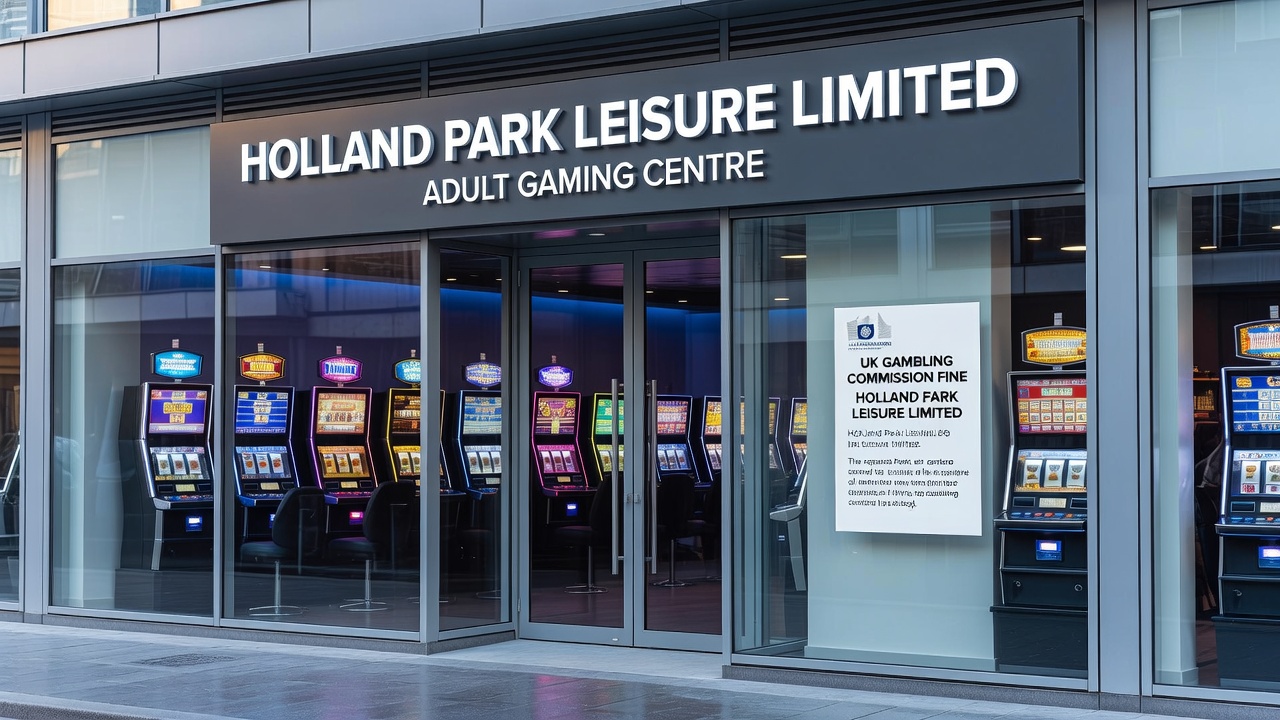
Context of Merkur Slots in Spalding's Landscape
Hall Place sits in Spalding's bustling core, a market town of around 33,000 where historic fens meet modern retail strips; Merkur Slots occupies a modest unit amid shops and eateries, drawing punters with fixed-odds machines under strict age and stake limits enforced by operators like Merkur, part of the German-based Merkur Gaming empire that spans Europe with over 1,000 venues.
The push for 24/7 mirrored trends elsewhere, where gaming centres eye night-owl economies fueled by delivery drivers and insomniacs, but Spalding's compact layout—tight streets, thin walls between businesses and homes—makes it a tougher sell; council records show prior extensions granted to pubs but denied to high-intensity spots like this, reflecting a pattern where "vibrancy" claims clash with quiet enjoyment rights.
Now consider the process: appeals like this unfold over months, with public inquiries if needed, but here the inspectorate opted for written representations, sifting through 50-plus documents in under six weeks; the final report, clocking 20 pages, dissected every angle, from footfall forecasts (peaking at 50 extra visitors nightly) to mitigation costs that operators balked at fully funding.
- Key factors against: Unacceptable noise harm to 15+ dwellings within 50m.
- Factors in favour: Two potential jobs, minor tourism lift.
- Outcome: Dismissal, costs reserved for potential recovery if unreasonable behaviour shown.
Implications for Gaming Venues Nationwide
Those tracking planning appeals spot a ripple effect from this Spalding rebuff, as district councils lean on the precedent when fielding similar 24/7 pleas from arcades and bookies; in Lincolnshire alone, three comparable bids faltered last year on amenity grounds, while approvals clustered in busier urban nodes like Lincoln city centre.
Operators now face steeper hurdles, needing robust evidence of "need" beyond revenue projections—think partnerships with transport links or addiction safeguards baked in—although Merkur Slots maintains current hours without issue, serving peak evenings when most patrons flock anyway.
Campaigners like the Ritchies push further, urging ties between planning and public health, since data from bodies monitoring gaming harms indicates late access correlates with higher session lengths; yet for now, the inspectorate's lens stays narrow, on land-use clashes that pit commerce against calm.
So where does this leave Hall Place? Business as usual for Merkur, relief for neighbours, and a blueprint for balancing acts in tight-knit towns; turns out, in zones where homes hug entertainment hubs, the writing's on the wall for nonstop ambitions without ironclad fixes.
Conclusion
The March 12, 2026, dismissal underscores how planning inspectors navigate duelling priorities—economic sparks versus lived realities—in Britain's gaming sector, delivering a measured rebuff to Merkur Slots' ambitions while affirming resident safeguards as paramount; as Spalding settles back into its rhythmic days and quieter nights, stakeholders watch whether appeals elsewhere test these boundaries, or if caution prevails amid growing scrutiny on venue footprints.