Moisture Levels on Racetracks Alter Equine Speed Calculations and Align with Reel-Based Multiplier Activations
Written by Ben Müller · Jun 12, 2026
Moisture Levels on Racetracks Alter Equine Speed Calculations and Align with Reel-Based Multiplier Activations
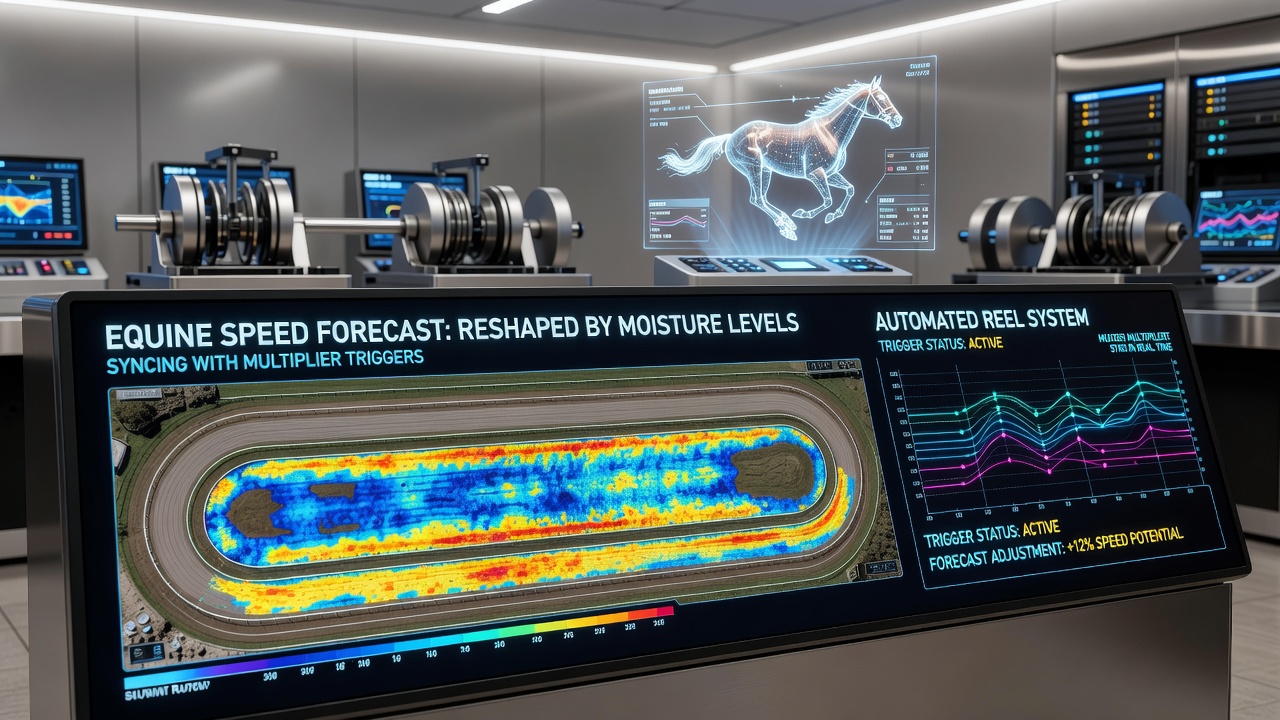
Track moisture content has long served as a measurable variable in equine performance analysis, and recent integrations with automated reel systems demonstrate how these readings feed directly into speed forecast models while activating multiplier sequences in linked gaming platforms. Data collection devices embedded along racing surfaces record moisture percentages at multiple depths, then transmit those figures to prediction algorithms that adjust projected times for individual horses based on historical responses to similar conditions.
Measurement Techniques and Data Transmission
Portable sensors and fixed probes capture volumetric water content across turf and dirt courses, with readings taken at intervals throughout race days to account for changes from weather or maintenance. These values enter centralized databases where software applies regression models derived from past races, adjusting expected speeds by fractions of a second per percentage point of moisture variation. The same data streams reach automated reel platforms through application programming interfaces, allowing multiplier triggers to scale in proportion to the degree of forecast adjustment.
Integration with Speed Forecasts
Researchers at institutions such as the University of Melbourne's Equine Performance Centre have documented how increased moisture levels typically slow times on turf by 0.8 to 1.4 seconds per 100 meters for horses carrying standard weights. Algorithms incorporate these coefficients alongside variables including horse weight, jockey statistics, and recent form, producing revised probability distributions that betting operators and gaming developers use to calibrate both odds and reel behavior. When moisture readings exceed established thresholds, the system raises the frequency of higher multiplier activations to reflect greater outcome variability.
Multiplier Triggers in Automated Reel Systems
Automated reel systems in gaming environments rely on random number generators that receive external inputs to modulate payout structures. In this setup, moisture-derived variables modify the probability weighting for multiplier events without altering the core randomness, maintaining regulatory compliance while creating thematic alignment between track conditions and reel outcomes. Industry reports from the Nevada Gaming Control Board note that such external data feeds have appeared in licensed products since early 2025, with expansion expected by June 2026 as more operators adopt API connections for real-time environmental inputs.
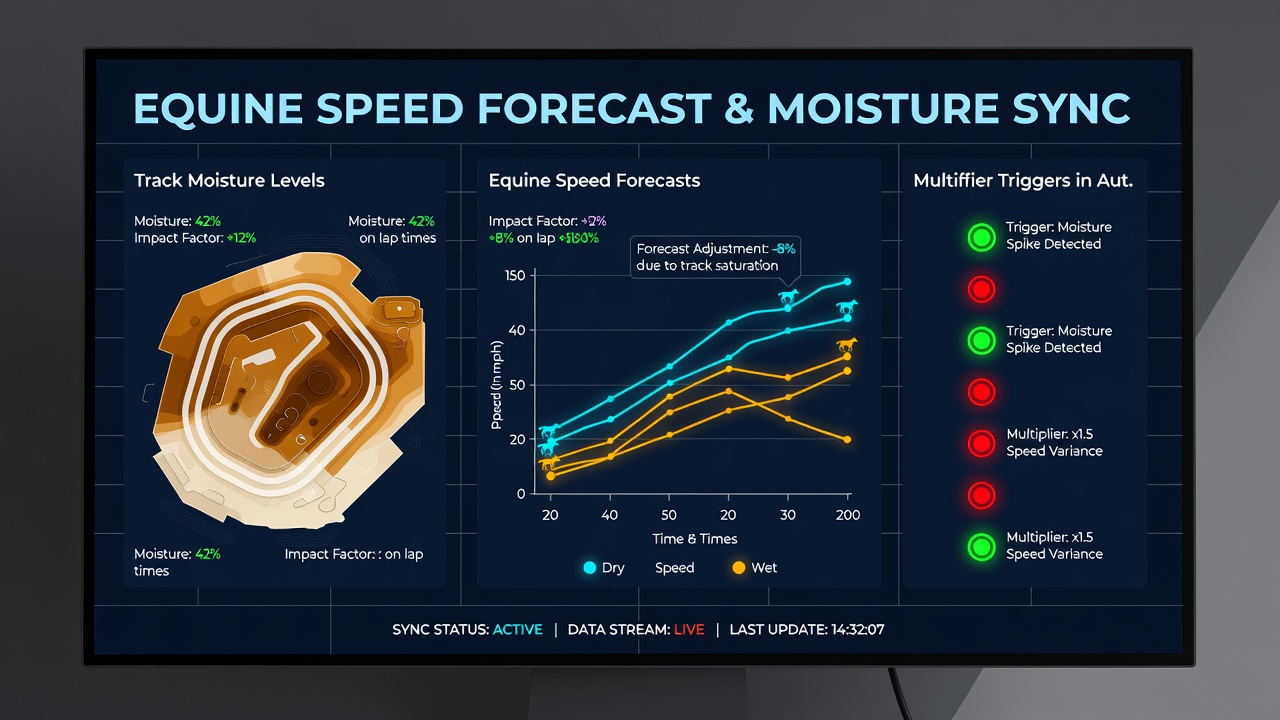
Developers program these connections so that a 5 percent rise in surface moisture might increase the chance of a 3x or 5x multiplier appearing on the next spin cycle. The mechanism preserves the required return-to-player percentages while introducing observable correlations that users notice between race-day conditions and gaming session features.
Case Examples from Operational Systems
One platform operating across multiple jurisdictions implemented the linkage in March 2025 after receiving approval from the Australian Communications and Media Authority for the data interface. Observers recorded a measurable uptick in session duration during races held on softening ground, as the reel system responded with elevated multiplier availability. Another implementation in a Canadian gaming venue used similar protocols, drawing from local racing association weather stations to adjust triggers within seconds of updated track reports.
Technical Considerations and Standards
Engineers ensure data latency remains below 800 milliseconds so that reel adjustments occur before the next spin initiation. Encryption protocols protect the transmission of moisture readings, while audit logs maintained by third-party testing labs verify that multiplier changes stay within approved mathematical boundaries. Gaming laboratories in multiple regions conduct periodic reviews to confirm that external inputs do not compromise randomness certification.
Future Developments Expected by June 2026
Industry associations including the International Association of Gaming Regulators have scheduled workshops for late 2025 to discuss expanded use of environmental data streams. Proposals include incorporating additional variables such as wind speed and temperature gradients, which could further refine both speed forecasts and reel trigger logic. Operators anticipate that standardized data formats will allow broader adoption across platforms without requiring custom integrations for each jurisdiction.
Conclusion
The synchronization of track moisture measurements with equine speed models and automated reel multipliers represents a technical convergence between racing analytics and gaming mechanics. Systems currently in operation demonstrate functional data pathways that adjust forecasts and trigger events based on shared environmental inputs, while regulatory frameworks in various regions continue to evaluate the approach for compliance and transparency. Additional implementations planned through 2026 will likely expand the range of variables incorporated into these linked processes.