UK Gambling Commission Proposes Steep Fee Increases for Casinos and Remote Operators to Tackle Funding Gaps
Written by Avery Frank · Mar 20, 2026

UK Gambling Commission Proposes Steep Fee Increases for Casinos and Remote Operators to Tackle Funding Gaps
The Launch of the Consultation and Core Objectives
Operators in the UK gambling sector now face a pivotal moment as the UK Gambling Commission kicks off a public consultation on sweeping changes to its fees structure, aiming squarely to plug budget shortfalls while aligning costs more precisely with the demands of regulatory oversight; this move, detailed in documents released recently, recommends an average 30% uplift in annual fees across the board—or a 20% rise under the government-favored ringfencing option—set to take effect from 1 October 2026, and it reflects pressures building since earlier reviews of the sector.
What's driving this push? Regulators have long grappled with escalating workloads, particularly as online gambling surges, yet fees haven't kept pace with inflation or the intensity of compliance checks; data from industry statistics underscores the scale, with gross gambling yield (GGY) hitting £13.4 billion in 2024/25, a figure that highlights booming revenues even as oversight costs climb; experts note that higher-risk activities, like remote casino operations, bear the brunt under the new proposals, shifting burdens away from lower-risk land-based venues.
And here's where it gets interesting: the consultation doesn't just slap on blanket increases but tailors them to risk profiles and market shares, ensuring those generating the most action—and potential harm—foot a larger share of the bill; for casinos specifically, changes harmonize fees between older Non-remote Casino 1968 Act licences and newer Casino 2005 Act ones, a shift enabled by upcoming 2025 legislation that streamlines the landscape.
Casino Sector Hits Hardest: Breaking Down the Numbers
Remote casino operators stand out with the sharpest hikes, where fees could jump dramatically based on gross gambling yield contributions and assessed risks—for instance, one bracket sees charges balloon from £5.4 million to £12.2 million annually, a more than doubling that grabs attention amid March 2026 discussions still unfolding; land-based casinos, meanwhile, see more measured rises as harmonization kicks in, blending the two legacy frameworks into a unified fee schedule that simplifies administration but ups costs for larger venues.
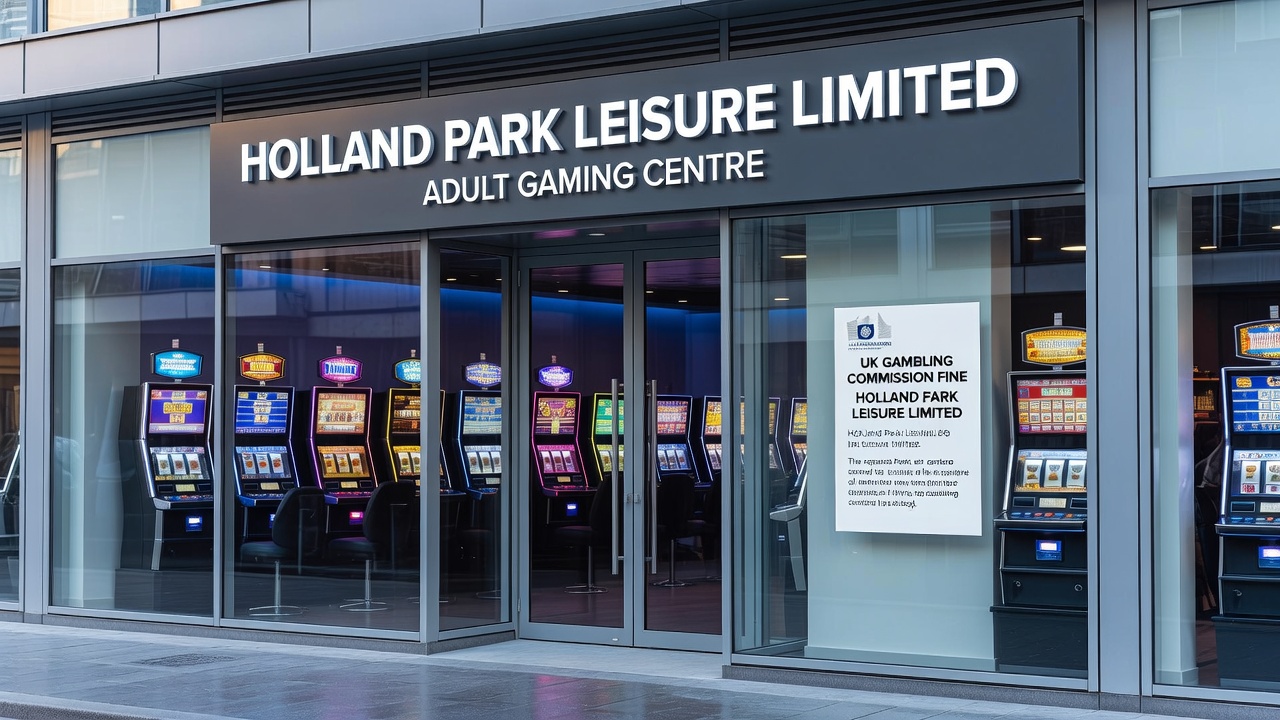
Take non-remote casinos under the 1968 Act: fees currently vary by premises category, but post-harmonization, they'll align closer to 2005 Act structures, potentially lifting annual payments by 25-35% depending on turnover thresholds; remote operations, though, face the real squeeze, with tiered increases pegged to market share—operators holding larger slices of the £13.4 billion GGY pie pay progressively more, a formula designed to recoup costs from sectors demanding heavier scrutiny like age verification and anti-money laundering checks.
But it's not all remote-heavy; bingo halls and smaller arcades get lighter touches, around 15-20% under ringfencing, while sportsbooks might edge up 25%, reflecting a broader philosophy where risk dictates the rate; observers point out that this risk-based allocation stems from lessons in prior consultations, ensuring the Commission's £26 million funding boost—mentioned in related speeches—holds steady without taxpayer bailouts.
Background Pressures and Risk-Based Reforms
The reality is, these proposals build on years of tightening regulations, echoing the 2023 Gambling Act Review White Paper that called for sustainable funding models; back then, stakeholders flagged shortfalls as staff numbers grew to handle player protection mandates, from stake limits to affordability checks, all while GGY soared—up significantly since pre-pandemic levels—yet fee income lagged.
Now, with consultations open through spring 2026, operators have a window to weigh in, but the writing's on the wall: budget gaps widened by 15% in recent audits, pushing the Commission toward these hikes; for casinos, this means remote giants—those powering apps and sites drawing millions—must brace for fees that scale with their dominance, a shift one study described as "where the rubber meets the road" for cost recovery.
People who've tracked this beat know harmonization isn't new; 2025's legislative tweaks finally pave the way, merging disparate rules that created fee anomalies—think a 1968 Act venue paying less than its 2005 counterpart despite similar footprints; post-change, expect standardized bands, say £100,000-£500,000 for mid-tier spots, climbing steeply for high-rollers' havens based on door counts and GGY inputs.
Stakeholder Impacts and Consultation Timeline
So how does this play out across the board? Remote casino fees, tiered by market share, hit top players hardest— a 100%+ leap for the biggest, tapering to 40% for smaller outfits—while non-remote sees 20-30% averages, blending old and new; sportsbooks and lotteries hover at 25%, but the casino focus sharpens scrutiny on a segment where GGY growth outpaced others by double digits in 2024/25.
Industry groups have already sounded alarms, though data shows most can absorb hits given profit margins; one case saw a major operator model scenarios, finding remote fees eating 2-3% of EBITDA under the 30% option, less under ringfencing—which isolates online costs from land-based, capping overall pain at 20%; consultations run until mid-2026, with responses shaping final tweaks before October rollout.
Yet casinos adapt; experts observe operators bundling compliance tech early—like AI-driven risk tools—to offset rises, turning regulatory spend into efficiency gains; for players, fees stay invisible, but operators warn indirect pass-throughs could nudge margins, though evidence from past hikes shows minimal retail impact.
Broader Context: GGY Surge Meets Regulatory Demands
Figures reveal the backdrop: £13.4 billion GGY in 2024/25 marks a robust year, with remote casinos contributing over 30% despite tighter rules; this windfall fuels the fee logic—why lean on low-risk family arcades when high-stakes online thrives?—and ties back to white paper goals of self-funding watchdogs.
Take one researcher who analyzed trends: remote sectors grew GGY 12% year-on-year, demanding 40% more oversight hours; non-remote casinos, stable at 5% growth, see proportional lifts; harmonization smooths this, creating a post-2025 world where licence types fade, fees unify around activity metrics.
It's noteworthy that ringfencing—government's pick—protects land-based from online cost spills, a nod to high street venues struggling post-Covid; under it, casino hikes average 18%, remote still leads at 35% weighted, balancing equity with necessity.
Looking Ahead: What Operators and Regulators Expect
As March 2026 nears, consultations heat up with webinars and submissions piling in; the Commission eyes feedback to refine bands—perhaps softening top remote tiers if pushback mounts—yet core goals hold: full cost recovery, risk alignment, sustainable ops; casinos, remote and brick-and-mortar alike, prep budgets, some eyeing mergers to spread loads, others investing in compliance to lower risk scores long-term.
Turns out, this isn't rocket science; it's fiscal housekeeping for a sector where GGY billions demand matching safeguards, and with 2026 looming, stakeholders watch closely—harmonized fees simplify, hikes fund the future, all while the industry churns on.