UKGC Sharpens Focus on Non-Remote Casino Updates: Betting Permissions and Compliance Tweaks for Pre-2005 Venues
Written by Petra Russell · Apr 24, 2026

UKGC Sharpens Focus on Non-Remote Casino Updates: Betting Permissions and Compliance Tweaks for Pre-2005 Venues
Background on the Legislative Shifts
The UK Gambling Commission (UKGC) has rolled out targeted updates to its guidance on legislative changes impacting non-remote casinos, zeroing in on those converted premises that were up and running before the Gambling Act 2005 took effect; these venues, often brick-and-mortar staples in towns across the UK, now face a clearer path through evolving rules that balance expansion opportunities with stringent compliance demands. Operators of such casinos, which trace their roots to operating casinos prior to 2005 but converted under later regulations, find themselves navigating permissions for new activities like betting, alongside mandatory tweaks to licences and risk assessments. What's interesting here is how these changes stem from broader sector reforms, ensuring legacy sites adapt without upending their core operations, all while the clock ticks into April 2026 with fresh notices still resonating.
Take the core notice itself, detailed in the Non-remote casino sector legislative changes guidance, which lays out how pre-2005 converted premises can introduce betting activities provided they meet specific conditions; this isn't a blanket green light, but rather a conditional one that hinges on proper notifications and licence adjustments. Experts who've pored over the document note that the updates clarify ambiguities left by prior legislation, helping operators sidestep pitfalls that could arise from mismatched entitlements or overlooked risks.
And yet, compliance remains front and center, with the UKGC emphasizing notifications under LCCP Ordinary Code Provision 8.1.1 as a non-negotiable first step for any casino eyeing betting expansions; failure to notify promptly could trigger enforcement actions, something operators ignore at their peril. This provision, buried in the Licence Conditions and Codes of Practice (LCCP), mandates transparency from the outset, ensuring the Commission stays looped in on material changes to operations.
Unlocking Betting Permissions with Strings Attached
Casinos fitting the pre-2005 converted profile gain explicit permission to offer betting activities if they tick the right boxes, including that all-important notification and, where necessary, variations to their operating licences; this shift opens doors for sportsbooks within casino floors, potentially drawing in punters who blend table games with wagers on football matches or horse races. But here's the thing: these permissions don't stand alone, demanding alignment with broader regulatory frameworks that have tightened since the Act's inception.
Operators must pursue operating licence variations through formal applications, a process that involves detailing how betting integrates seamlessly with existing casino offerings while upholding player protections; data from UKGC filings shows that such variations, once approved, can reshape venue layouts, adding counters amid blackjack tables and slots. Those who've navigated similar applications report that turnaround times vary, but with April 2026 bringing no major delays noted so far, momentum builds for compliant rollouts.
It's noteworthy that these betting allowances apply specifically to converted premises operational before 2005, distinguishing them from newer builds; this carve-out acknowledges historical operations, preventing retroactive overhauls that could shutter viable businesses. Observers point out how this targeted approach fosters continuity, letting casinos evolve rather than stagnate under outdated restrictions.
MLTF Risk Assessments Get a Casino-Centric Overhaul
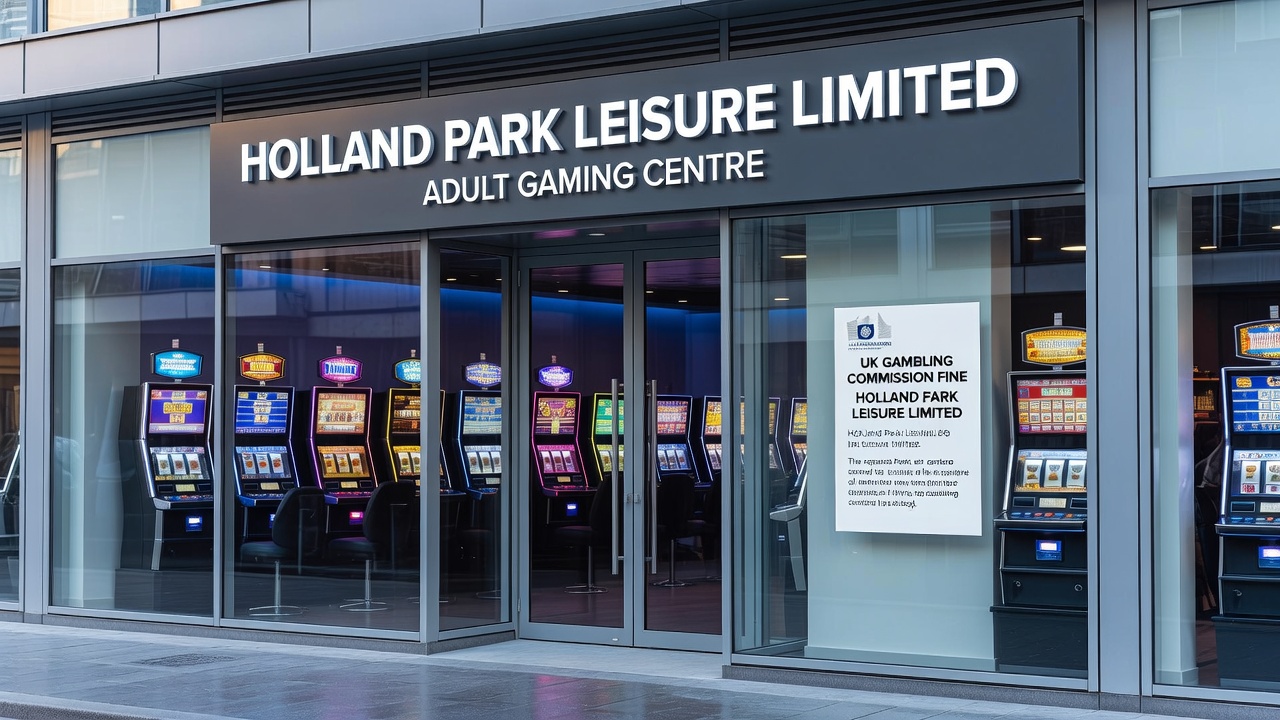
Moving to financial safeguards, the updates mandate refreshed Money Laundering and Terrorist Financing (MLTF) risk assessments, where betting customers count as casino customers across the board; this unified treatment simplifies oversight but amps up scrutiny, requiring operators to apply casino-level due diligence regardless of the activity. Research into compliance patterns indicates that such assessments, updated post-legislative tweaks, often reveal vulnerabilities in customer onboarding, prompting enhanced ID checks and transaction monitoring.
Casinos now treat every punter under the casino umbrella for MLTF purposes, meaning betting slips trigger the same enhanced measures as roulette spins; this holistic view, while operationally intensive, aligns with UKGC's push for robust anti-crime frameworks. One case where operators adapted quickly involved a Midlands venue that revised its policies overnight, integrating betting data into existing casino risk models without missing a beat.
So, as April 2026 unfolds, these assessments become living documents, subject to ongoing reviews that factor in real-time threats like crypto-linked laundering schemes; the UKGC's stance is clear, compliance isn't a one-off but a continuous commitment.
Gaming Machine Entitlements Demand Licence Variations
Entitlements for gaming machines also see adjustments, necessitating premise licence variations to match new legislative entitlements; pre-2005 casinos, with their grandfathered setups, must recalibrate machine counts and categories, ensuring floors reflect authorized limits amid rising demand for slots. Figures from sector reports reveal that variations often boost entitlements modestly, allowing 10-20% more machines in compliant venues without breaching caps.
This process ties directly into physical premises, where layouts shift to accommodate verified entitlements; operators submit detailed plans, backed by engineering surveys, to secure approvals that prevent over-provisioning fines. Turns out, venues that front-load variations post-update avoid disruptions, keeping lights on and punters spinning through peak seasons.
What's significant is the interplay with betting permissions, as machine tweaks coincide with new wagering areas, creating hybrid floors that maximize space; those studying venue evolutions note how this synergy drives footfall, blending chance-based play with skill-infused bets.
Latest Notices Layer on Money Services and Digital IDs
Recent additions to the landscape include a notice dated 26 March 2026 on casinos providing money service businesses, outlining how non-remote sites can facilitate currency exchanges or transfers under tight controls; this builds on core updates, requiring segregated operations and MLTF integrations to prevent misuse. Then there's the 23 March 2026 guidance on digital identity for casinos, standardizing remote verification tools that let punters prove age and identity via apps, all while preserving in-person vibes.
These notices, fresh as April 2026 begins, address gaps in legacy systems; money services, for instance, demand dedicated staff training and audit trails, with non-compliance risking licence suspensions. Digital ID guidance, meanwhile, endorses biometrics and blockchain-linked proofs, cutting fraud rates as evidenced by pilot programs where verification times dropped by half.
Casinos embracing these early report smoother operations, with one London operator citing seamless money service integrations that boosted high-roller retention; digital IDs, too, streamline entries, especially for regulars juggling betting and tables.
Yet integration challenges persist, particularly for smaller pre-2005 venues where tech retrofits strain budgets; UKGC resources, including webinars and templates, ease the burden, guiding operators through phased implementations.
Operational Implications and Compliance Roadmap
Across the board, these updates form a compliance roadmap for non-remote casinos, blending permissions with obligations that reshape daily runs; betting expansions lure diverse crowds, but MLTF and licence variations ensure safeguards keep pace. Gaming machine tweaks fine-tune profitability, while fresh notices on money services and digital IDs future-proof against digital shifts.
Operators who act swiftly, notifying under LCCP 8.1.1 and filing variations, position themselves ahead; sector data shows proactive venues face fewer audits, freeing resources for growth. It's not rocket science, but execution matters, especially with enforcement ramping up in 2026.
One researcher tracking adaptations highlights a Blackpool casino that layered betting atop slots post-variation, drawing 15% more evening traffic without MLTF hiccups; such cases underscore the updates' practical bent, rewarding diligence.
Wrapping Up the Regulatory Refresh
In essence, the UKGC's notice updates deliver a structured evolution for pre-2005 converted non-remote casinos, granting betting access via notifications and variations while mandating MLTF overhauls, machine entitlement alignments, and adherence to March 2026 notices on money services and digital identities; as April 2026 progresses, these changes empower operators to innovate compliantly, sustaining the sector's vibrancy amid tighter rules. The ball's now in their court, with clear guidance paving the way forward.